Before colder weather arrives, check refrigerator and freezer seals and temperatures, dryer airflow, washer water supply hoses, dishwasher filters, oven performance, and appliances kept in a garage. Seasonal appliance maintenance can identify developing problems before heavier fall and winter use makes them more disruptive and help separate routine upkeep from issues that may need an appliance inspection.
Appliances deserve a place alongside other fall home maintenance tasks. The goal is to recognize changes, handle safe homeowner maintenance, and know when professional diagnosis makes sense.
Why Fall Is the Ideal Time for Appliance Maintenance
Fall is a practical checkpoint between summer and colder weather. Preventive appliance maintenance lets you check equipment while it is operating instead of waiting for a refrigerator, dryer, oven, or dishwasher to stop working.
Preventive maintenance before household routines become busier can help appliances operate efficiently and give homeowners time to address developing problems. Maintenance needs vary by appliance, so what homeowners may call an appliance tune-up should still follow the manufacturer’s recommendations for that specific appliance.
Routine cleaning and performance checks should include basic appliance safety checks that help distinguish normal upkeep from conditions that deserve attention.
A Room-by-Room Fall Appliance Checklist
Focus on what you can safely see, clean, and observe. Avoid dismantling appliances or diagnosing internal components.
Kitchen Appliances
Check: refrigerator and freezer seals and temperatures, accessible condenser coils, dishwasher filter, oven performance, and garbage disposal operation.
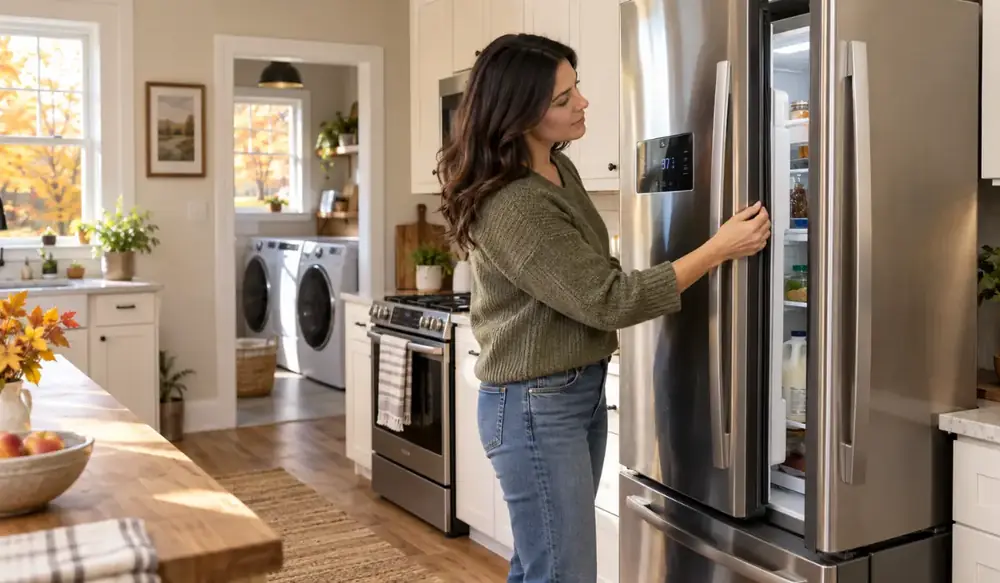
Start refrigerator maintenance by inspecting the door gasket for tears, loose areas, or gaps. A poor seal can allow conditioned air to escape, but it is only one possible cause of temperature problems. ENERGY STAR connects proper temperature settings and maintenance with refrigerator energy efficiency.
Freezer maintenance includes checking seals and temperature, with accessible condenser coils cleaned only when recommended. During dishwasher maintenance, clean an accessible filter as directed and note recurring draining or cleaning problems.
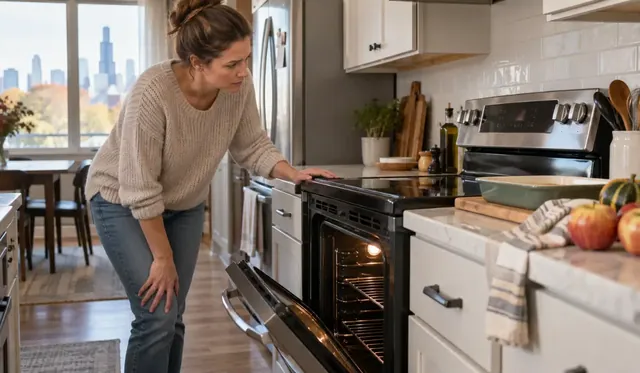
Before holiday cooking, check whether the oven ignites, preheats, and heats consistently. An igniter or thermostat can affect performance, but symptoms alone do not identify the cause. Note recurring problems before scheduling service. Watch for disposal humming, jams, or leaks, and never reach inside. These checks complement a seasonal home maintenance checklist; follow manufacturer instructions for model-specific care.
Laundry Room Appliances
Check: dryer vent airflow and drying time, washer water supply hoses, drain connections, leaks, and cycle performance.
Clean the lint screen as recommended and keep accessible dryer vent areas clear. The U.S. Fire Administration’s report on clothes dryer fire risks identified failure to clean as a leading factor in home clothes-dryer fires.
Longer drying times can involve restricted exhaust airflow, load size, settings, vent conditions, or heating performance. Professional dryer vent cleaning may be appropriate beyond safely accessible areas. If the dryer problem continues, note whether the drum turns, heat is present, or new sounds occur.
Inspect each visible water supply hose for cracking, bulging, or moisture and drain connections for leaks. Unexpected stops, slow cycles, and unusual draining can also signal problems. Changing household routines may expose existing issues similar to back-to-school appliance failures when appliance-use patterns shift.
Utility and Garage Appliances
Check: refrigerator and freezer temperatures, freezer seals, ambient temperature, visible power cords, and plugs.
Chicago fall weather brings changing outdoor temperatures. For refrigerators or freezers kept in a garage, check the manufacturer’s operating-temperature requirements before assuming a temperature change means the appliance needs repair.
Frayed power cords, damaged plugs, or scorching are safety concerns rather than routine maintenance items to monitor.
Small Performance Changes That Deserve Attention Before Winter
Appliance problems do not always begin with complete failure. Watch for:
- Longer or different run times
- New or persistent noises
- Minor recurring leaks
- Temperature inconsistencies
- Slower wash or dry cycles
- Inconsistent oven preheating
- Higher energy use without an obvious explanation
These signs are clues, not diagnoses. For recurring refrigerator temperature problems, note whether the issue is constant or intermittent, whether the doors seal properly, and which compartment is affected.
Utility costs need context because weather, heating, occupancy, and other equipment can affect energy use. A higher bill becomes more useful information when paired with a specific performance change. An appliance technician has a clearer starting point when you can describe what changed, when it occurs, and whether it is worsening. Those observations can also help if home appliance repair becomes necessary.
Maintain, Monitor, or Consider Service?
- Maintain: Normal operation with safe, manufacturer-recommended upkeep.
- Monitor: A minor change appears but normal operation continues. Watch for recurrence.
- Consider service: The problem repeats, affects operation, involves a safety concern, or remains after appropriate maintenance.
Maintenance Habits That Help Appliances Perform Better
Keep vents unobstructed, avoid overloading appliances, clean accessible filters as recommended, monitor temperature settings, and inspect visible water connections. Report or address recurring problems rather than repeatedly resetting or adjusting the appliance.
Know where preventive maintenance ends. Cleaning a filter, checking a seal, or inspecting a visible hose is different from testing electrical components, gas systems, moving parts, or sealed refrigeration components. If routine care does not correct a problem, an appliance maintenance service or professional assessment may be appropriate.
Seasonal needs change with the weather. Appliance maintenance before summer addresses maintenance considerations for warmer conditions.
When a Seasonal Inspection Makes More Sense Than Waiting
Professional assessment becomes more reasonable when you notice:
- Repeated warning signs after basic maintenance
- Performance changes across multiple appliances
- Problems before heavy seasonal use
- Utility-cost increases paired with performance changes
- Recurring leaks, electrical damage, or other safety concerns
Symptoms can have several causes, so diagnosis should determine the cause before repair is recommended. Problems beyond homeowner care may require professional appliance repair services.
When searching for appliance repair near me, look beyond proximity when comparing local service options. Confirm that the appliance service company services your appliance type and location, and consider the people who will be handling the work. Homeowners can find more information about our appliance service and repair team. When same day appliance repair matters, confirm actual appointment availability rather than assuming immediate service.
Homeowners in Naperville can review our Naperville appliance repair service area for local service information and appliance repair in the Chicago suburbs.
Prepare Your Appliances for Colder Weather
A seasonal inspection is less about predicting a breakdown than recognizing meaningful changes. Safe upkeep can support appliance efficiency and help homeowners care for appliances throughout their useful life, while a clear symptom history helps when professional diagnosis becomes necessary.
When routine appliance maintenance is no longer enough, Premium Appliance Repair can help determine whether a recurring appliance problem requires professional service.
For a recurring issue or one you should not troubleshoot yourself, send an appliance service inquiry with the appliance and symptom details, or call Premium Appliance Repair at (630) 657-0334.

Written by the Premium Appliance Repair team. Licensed, factory-trained technicians with 20+ years of experience repairing appliances across the Chicago suburbs. Questions about this article? Call (630) 657-0334. Read our editorial policy.