
Washing Machine Problems Families Notice Right Before School Starts
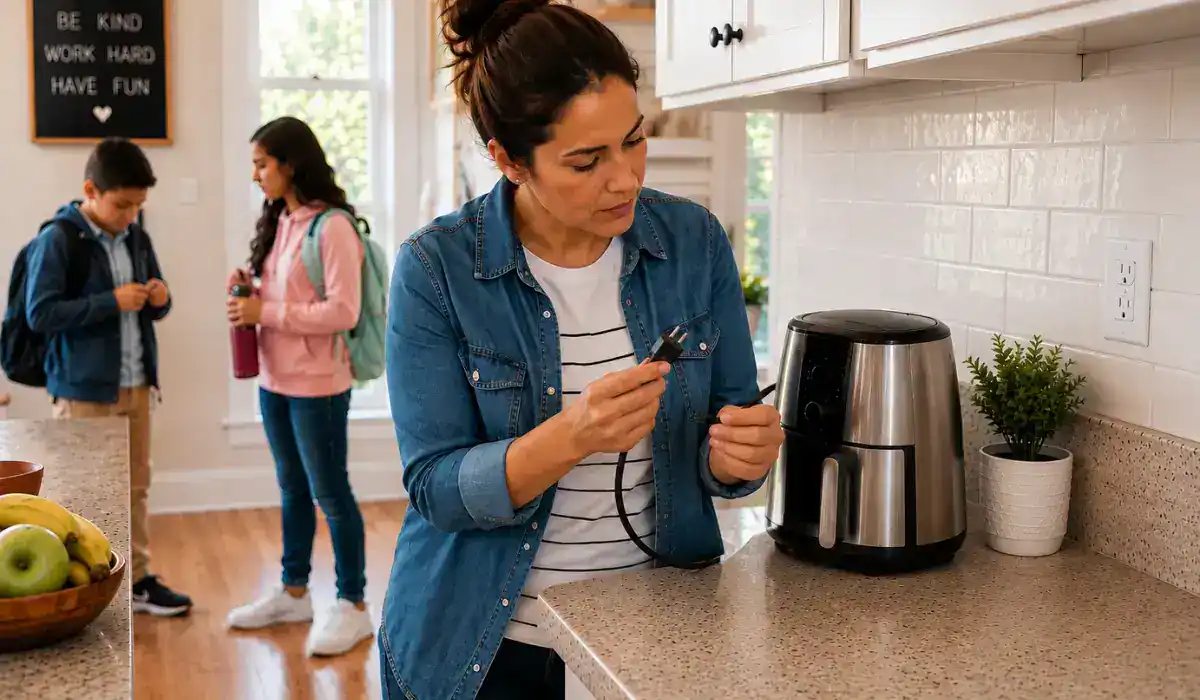
Appliance safety checks help parents spot electrical, water, and heat warning signs before busy back-to-school routines increase appliance use. Extreme summer heat can make cooling failures more time-sensitive, increase electrical demand, and leave families less time to protect refrigerated food.
Back-to-school weeks often mean more laundry, packed lunches, frequent refrigerator use, and school-night cooking. Premium Appliance Repair recommends watching for changes in sound, smell, heat, moisture, and performance rather than waiting for an appliance to stop working completely.
The goal is not to diagnose repairs at home. It is to recognize what changed, understand the possible risk, and know when an appliance should remain off until a qualified professional checks it.
Electrical Appliance Safety Checks Every Homeowner Can Perform
Electrical checks should stay limited to parts homeowners can see and normally access. Damaged cords, loose plugs, repeated breaker trips, scorch marks, or shocks deserve attention even when the appliance still works.
Summer can increase household electrical demand as refrigerators, freezers, air conditioners, and other equipment run longer. That does not automatically mean something is wrong, but a new electrical symptom should not be dismissed.
Watch for:
- Cracked cords or exposed wire
- Loose plugs
- Brown or black marks near outlets
- Repeated breaker trips
- Buzzing or crackling near connections
- Unusually warm plugs or cords
- A shock or tingling sensation
A damaged cord, shock, smoke, sparking, severe heat, or repeated breaker trip is a stop-use sign. Repeatedly resetting a breaker may hide a recurring problem without fixing its cause.
Homeowners should not remove panels, test live wiring, open control boards, or handle hidden electrical components. An electrician may be more appropriate when the outlet, breaker, or household wiring appears to be involved.
Families can review appliance repair services when the symptom appears to originate inside the appliance.
Water Leaks That Often Go Unnoticed
Slow leaks can damage floors, cabinets, trim, and nearby electrical areas before a large puddle appears. Washers, dishwashers, and refrigerators with water lines may continue operating while moisture collects underneath or around them.
Look for damp edges, swollen wood, rust marks, moisture near a dishwasher toe-kick, drips around visible washer hoses, or water underneath a refrigerator.
| Appliance | Early Sign | Next Step |
|---|---|---|
| Washer | Water after a cycle | Stop the next cycle and check visible areas. |
| Dishwasher | Damp cabinets or floor | Stop use and watch for returning water. |
| Refrigerator | Water underneath | Rule out spills and watch the water system. |
Recurring moisture deserves attention even when the amount seems small. The EPA household leak information reinforces why household leaks should not be ignored.
Water near electricity changes the response. Never step into standing water to reach a plug or move an appliance simply to inspect behind it.
Regular appliance maintenance can make gradual changes easier to spot before peak summer schedules become demanding. Appliance maintenance before summer covers seasonal care families can consider as appliance use changes.
Heat-Related Warning Signs
Heat is normal around dryers, ovens, and cooktops, but excessive heat, burning odors, delayed ignition, or unusual shutdowns can signal trouble. The useful comparison is whether the appliance behaves differently from normal.
High ambient temperatures can make weak cooling or poor airflow more noticeable. Refrigerators may run longer during hot conditions, while a dryer with restricted airflow can become unusually hot.
Dryer Warning Signs During Appliance Safety Checks
A dryer should move heated air through its drum and vent system. Poor airflow can leave clothes damp while heat builds around the appliance.
Watch for:
- Burning or scorched odors
- Unusually hot clothing
- Excess heat around the dryer
- Longer drying times
- Weak exterior vent airflow
- Unexpected shutdowns
Clean the lint screen after each load and follow manufacturer-approved cleaning instructions. Smoke, sparks, recurring burning odors, or severe heat mean the dryer should remain off.
An appliance tune-up or repair visit may include airflow, sensors, heating parts, and electrical connections that homeowners cannot safely inspect. Dryer overheating warning signs covers additional symptoms families may notice.
Oven and Cooktop Warning Signs
Cooking appliances need stable heat, normal ignition, and responsive controls. Repeated clicking, delayed ignition, gas odors, burning smells, or unexplained shutdowns should not be treated as normal wear.
A gas odor requires leaving the area and contacting the gas utility or emergency services from a safe location. Avoid nearby flames, switches, and electrical controls.
Families who cook more often once school starts may notice performance changes sooner. Common oven and range issues covers symptoms that can appear with frequent cooking.
Staying near active cooking and keeping combustible materials away from heat can reduce preventable fire risk. The NFPA cooking safety information supports these practical habits.
Creating a Family Appliance Safety Routine
A family appliance safety routine works best when it is simple and repeatable. Parents do not need to inspect internal components; the goal is to recognize changes in how an appliance normally behaves.
Use four repeatable actions:
- Listen. Notice new buzzing, scraping, clicking, rattling, or repeated ignition sounds.
- Look. Check accessible areas for water, discoloration, damaged cords, loose plugs, or excess lint.
- Test. Use normal controls, doors, lids, and settings. Compare cooling, airflow, heat, and cycle time with usual performance.
- Schedule service when needed. Recurring symptoms or safety concerns deserve professional evaluation.
Children can report puddles, strange smells, unusual sounds, or error messages to an adult. They should not touch plugs, outlets, gas controls, hot surfaces, appliance interiors, or standing water near electrical equipment.
If an appliance stops unexpectedly, keep refrigerator and freezer doors closed, shut an accessible water valve only when safe, and disconnect power only when the plug can be reached without crossing water, smoke, sparks, or severe heat.
The USDA food safety information states that an unopened refrigerator generally keeps food cold for about four hours. A full freezer can maintain temperature for about 48 hours when the door stays closed.
Record error codes, sounds, odors, settings, and safely taken photos instead of repeatedly restarting the appliance. This preserves useful information if the symptom disappears before service.
When a Professional Safety Inspection Adds Peace of Mind
Professional inspection makes sense when a symptom involves hidden electrical parts, gas ignition, recurring leaks, poor airflow, weak cooling, or repeated shutdowns. These conditions may require tools or internal access that homeowners cannot safely use.
An appliance safety inspection is most useful when a symptom repeats, creates a safety concern, or cannot be evaluated through normal homeowner checks. Premium Appliance Repair can assess appliance-related symptoms without requiring families to remove panels or inspect hidden components.
When a Different Professional Is Needed
Not every problem belongs with an appliance technician. Household outlets, wiring, or breaker problems may require an electrician, while a suspected gas leak or active fire requires the appropriate utility or emergency response.
This distinction keeps homeowners from treating every appliance-related symptom as the same type of repair problem. The source of the hazard determines the safest response.
How to Prepare Before a Service Visit
Before service, record the model and serial number, error code, recent symptoms, and safely taken photos. Clear ordinary household items from the work area when possible.
Do not move equipment that is leaking, sparking, severely overheated, or connected to gas simply to create access. The technician can determine how the appliance should be approached safely.
Local Service Information
Families comparing appliance repair near me options can review the Naperville appliance repair location to confirm local service information.
Homeowners who want more information before scheduling can review the company background.
Frequently Asked Questions
These questions help separate routine observation from situations that may need professional or emergency attention.
How often should appliances be inspected?
A brief seasonal check is practical when weather, household routines, or appliance use changes. Follow manufacturer instructions for model-specific maintenance.
What appliance warning signs should never be ignored?
Smoke, sparks, gas odors, shocks, scorched plugs, repeated breaker trips, water near electricity, and severe unexplained heat require prompt attention.
Are appliance safety inspections worth it?
They can be when symptoms repeat, involve hidden components, or create a safety concern. Professional inspection is not automatically necessary when an appliance operates normally.
If you are unsure whether a symptom belongs with appliance repair, the service contact form gives you a place to describe what happened before scheduling.
Make Safety Decisions Before a Warning Becomes Urgent
Regular appliance safety checks help parents separate normal operation from electrical, leak, and heat problems that need attention. Summer heat and busy school schedules can make failures more disruptive, so recognizing changes early gives families more time to respond safely.
Premium Appliance Repair can assess appliance-related symptoms without requiring homeowners to inspect internal components themselves.
If you have noticed a new warning sign or want added confidence before school schedules get busier, schedule an appliance safety inspection.
You can also call 630-657-0334 for service assistance. A model number, error code, safely taken photo, and short description of what changed can help our team determine the appropriate next step.