
Dishwasher Issues That Waste Time on Busy School Nights
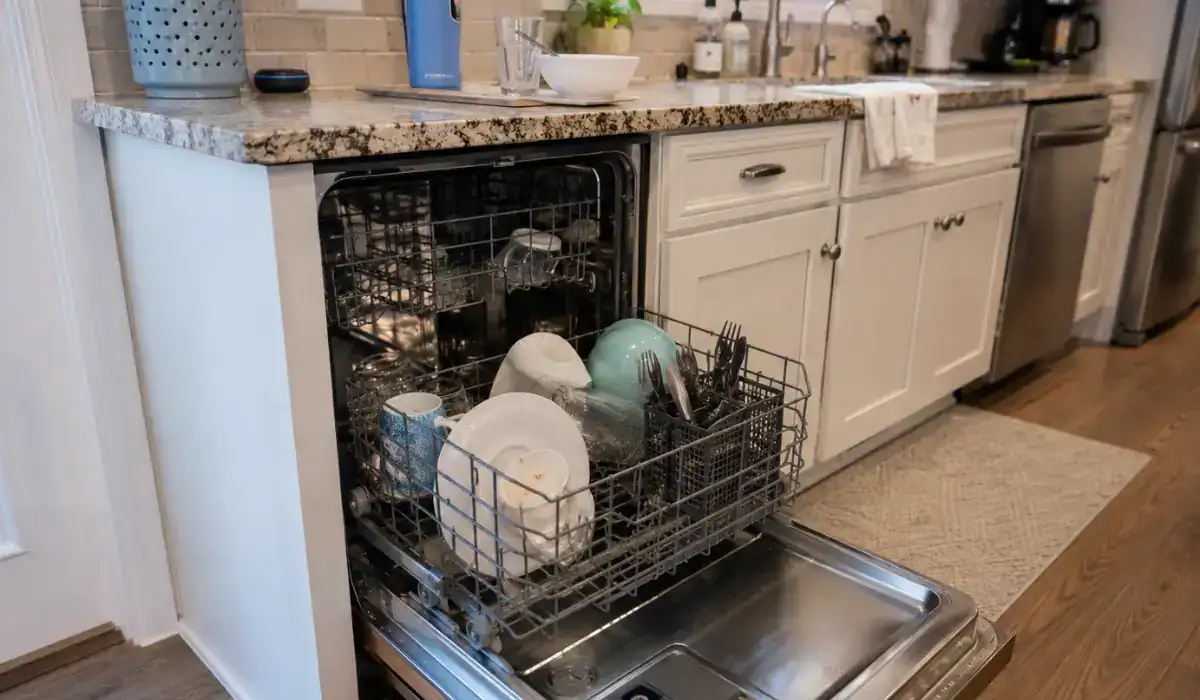
Dishwasher issues can delay dinner cleanup, lunch preparation, and bedtime when every part of the evening depends on the kitchen running smoothly. A long cycle or a rack of dirty dishes may seem minor, but the lost time quickly adds up during the school week.
Our team at Premium Appliance Repair has more than 20 years of experience helping homeowners throughout the Chicago suburbs restore reliable appliance performance. We often see families compensate for dishwasher problems with extra cycles or hand washing, but those workarounds rarely address the cause.
Small changes can also signal a developing problem. Standing water may point to poor drainage, while water outside the dishwasher can damage cabinets and flooring. Recognizing the difference helps families respond before a small interruption becomes a larger problem.
Why Weeknight Dishwasher Use Is Different
School nights put more pressure on a dishwasher because several kitchen tasks happen close together. Dinner cleanup, lunch preparation, and getting ready for the next morning often depend on clean dishes being available on time.
A dishwasher that suddenly runs longer or cleans less effectively can interrupt that sequence. Instead of moving from one task to the next, families may spend extra time hand washing or waiting for another cycle.
Common weeknight pressures include:
- Full loads after family dinners
- Plastic lunch containers that need to be reused
- Large cookware mixed with everyday dishes
- Limited time for routine appliance care
- A second load started shortly after the first
These conditions do not automatically damage a dishwasher. They make existing problems easier to notice because there is less time to compensate for slow cycles, poor cleaning, or wet dishes. Homeowners searching for dishwasher repair near me are often dealing with a machine that still runs but no longer keeps pace with the household routine.
Our dishwasher repair service focuses on identifying what is causing the change rather than treating every symptom alike. Many high-efficiency dishwashers normally use longer cycles, so a sudden change from the machine’s usual performance is often more useful than cycle length alone.
If poor cleaning mainly appears after several heavily loaded cycles, dishwasher cleaning after heavy use provides more context for separating heavy-use effects from a developing performance problem.
Performance Problems That Slow Everything Down: Dishwasher Issues
A dishwasher can complete its cycle and still waste time if its cleaning, draining, heating, or drying performance has changed. The pattern of symptoms usually tells homeowners more than whether the machine simply turns on.
| Symptom | Possible Cause | Effect on the Evening |
|---|---|---|
| Long cycles | Low incoming water temperature, sensor changes, or heating trouble | Cleanup finishes later |
| Standing water | Blocked drain hose or drain-pump problem | Dishes remain in dirty water |
| Cloudy glasses | Hard-water film, detergent residue, or poor rinsing | Glassware may need another wash |
| Poor drying | Low heat, rinse-aid issues, vent problems, or plastic items | More hand drying is needed |
| Food left behind | Poor loading or weak water flow | Another wash cycle may be necessary |
Not every long cycle signals a fault. Many newer dishwashers extend wash times to reduce water and energy use, and ENERGY STAR dishwasher information provides additional context on efficiency and cycle performance. A noticeable change from normal behavior is often the more useful clue.
Standing water needs different attention. A small amount below the filter area can be normal on some models, but water covering the tub bottom or escaping onto the floor can indicate a drainage or leak problem. Cloudy glasses may come from mineral film, detergent residue, or permanent etching.
For a dishwasher not cleaning dishes, loading position and water access are useful first checks. If results stay poor across several properly loaded cycles, weak water circulation, heating trouble, or another internal problem may require closer diagnosis.
What Those Symptoms May Be Telling You
Repeated symptoms can help narrow the source of a dishwasher problem, but one symptom does not confirm that a specific part has failed. Looking at drainage, water movement, heating, and drying together provides a clearer picture.
How Dishwasher Issues Affect Drainage and Water Flow
Poor drainage often leaves water or debris in the tub after a cycle. If accessible areas appear clear but water remains, the drain hose, disposal connection, air gap, or drain pump may need inspection.
Water circulation creates a different pattern. Food may remain on dishes because water is not reaching every surface, while a utensil or large pan that restricts spray-arm movement can leave one area of the rack consistently dirty.
That location pattern can be useful. Dishes that repeatedly remain dirty in the same area provide a stronger diagnostic clue than one poorly cleaned item in an otherwise normal load.
How Heating Problems Affect Drying
Heating problems can affect more than whether dishes feel warm. Longer cycles, detergent that does not dissolve completely, and consistently wet dishes may appear together when the heating stage is not performing normally.
Plastic containers are an important contrast. They often remain damp even when the dishwasher works correctly because plastic does not retain heat like glass or ceramic. This helps separate normal drying behavior from a possible performance problem.
When a dishwasher not draining leaves water covering the tub bottom after a completed cycle, repeatedly running the appliance can make matters worse. Water reaching the floor, collecting beneath cabinets, or appearing near electrical connections is a stronger warning to stop using the machine.
Our technicians also recommend checking the model number in the CPSC appliance recall database if a dishwasher shows overheating, smoke, melting, or electrical problems. A recall search cannot diagnose the appliance, but it can identify a known safety concern tied to a particular model.
When simple checks do not explain the change, Premium Appliance Repair can evaluate drainage, heating, and water circulation more closely. Our appliance repair team experience explains the training and service background behind our diagnostic approach.
Habits That Increase Dishwasher Wear
Daily use alone rarely causes serious dishwasher problems. Wear becomes more noticeable when loading restricts water movement or small maintenance needs are repeatedly overlooked.
Overloading is a common example. Plates packed too closely can block water from nearby items, while large cookware may interfere with cleaning elsewhere in the rack. Cups can also trap water, and lightweight plastic containers often dry differently from glass or ceramic.
Simple habits that help reduce unnecessary wear include:
- Scraping large food pieces before loading
- Making sure racks move freely without obstruction
- Checking an accessible filter for trapped debris
- Storing detergent in a cool, dry place
- Checking around the door and beneath the sink for moisture
During busier seasons, small performance changes often become easier to notice because the dishwasher runs more frequently. When dishwasher issues continue after these basic checks, repeated washing and hand drying can turn a small inconvenience into another nightly chore.
A professional kitchen appliance repair evaluation can help identify whether drainage, heating, water circulation, or another component is responsible. Homeowners preparing for heavier appliance use may also benefit from appliance maintenance before summer.
For problems beyond the dishwasher, appliance repair services may also be needed elsewhere in the home. Our major appliance service options cover dishwashers and other essential household appliances.
When Dishwasher Problems Begin Affecting the Entire Household
A dishwasher that no longer performs reliably creates work outside the appliance itself. Dinner cleanup takes longer, reusable lunch containers may not be ready, and hand washing can push other evening tasks later.
Repeated cycles can also increase water and electricity use. Federal dishwasher standards and cycle requirements are addressed in the DOE short-cycle withdrawal document, while rerunning a poorly cleaned load adds resource use without fixing the underlying problem.
The disruption often follows a predictable pattern:
- Dishes come out dirty or wet.
- Someone reloads or hand-washes them.
- Lunch preparation starts later.
- Other kitchen tasks are delayed.
- The same problem returns the next evening.
This pattern matters because the inconvenience can hide a more serious change. Damp flooring, swollen cabinet edges, or discoloration near the dishwasher may indicate escaping water rather than a simple cleaning problem.
Not every performance change requires urgent service. Active leaks, smoke, burning smells, or electrical problems are different because continued operation may create additional risk. Emergency appliance repair situations explains when a faster response may be appropriate.
Frequently Asked Questions
These common questions can help separate normal dishwasher behavior from symptoms that deserve closer attention. The pattern and severity of the problem usually matter more than one unusual cycle.
Why is my dishwasher leaving food on dishes?
Food left behind is often linked to poor loading, restricted water circulation, or weak cleaning performance. Large cookware can block water from nearby dishes, while items that repeatedly stay dirty in the same area may indicate that water is not reaching that part of the rack.
If rearranging the load does not improve results across several cycles, the problem may extend beyond loading. That pattern can help narrow the cause without assuming every cleaning problem comes from the same component.
Why is there water left in my dishwasher?
A small amount of water below the filter area may be normal for some models. Water covering the bottom of the tub can point to a drainage problem involving the hose, disposal connection, air gap, or drain pump.
Water outside the dishwasher is different. Moisture beneath nearby cabinets or on the floor may indicate a leak and deserves attention before surrounding materials are damaged.
Should I keep using a dishwasher that isn’t draining?
Repeatedly running a dishwasher that still contains standing water rarely solves the underlying problem. Additional cycles can add more water while the existing drainage problem remains.
Leaks, burning smells, a tripped breaker, or water near electrical connections are stronger warning signs. The dishwasher should not be used again until those conditions have been inspected.
Reliable Performance Starts With the Right Diagnosis
Professional service makes sense when normal cleaning, draining, or drying does not return after simple checks. Minor loading adjustments may solve some problems, but standing water, recurring leaks, inconsistent heating, and repeated performance changes deserve closer inspection.
Homeowners in the western suburbs can review our Naperville appliance repair service for local service information. When temporary workarounds stop helping, identifying the actual cause can prevent the same interruption from returning night after night.
Premium Appliance Repair serves homeowners throughout Chicagoland with licensed, factory-trained technicians who repair major appliance brands. Professional dishwasher diagnostics can help restore dependable performance before busy school-night routines become even harder to manage.
Homeowners who want to describe a recurring problem before scheduling can use our appliance repair inquiry form to share the symptoms they are seeing.
Restore Your School-Night Routine
Recurring dishwasher issues should not keep adding extra work to every evening. Premium Appliance Repair can inspect drainage, water circulation, heating performance, and other key components to identify the cause and explain the appropriate repair options.
When the same cleaning, drainage, or drying problem keeps returning, identifying its cause is more practical than relying on extra cycles and temporary workarounds. Schedule dishwasher repair or call (630) 657-0334 to request service.