Fall Maintenance Checklist: Save Energy and Prevent Appliance Repairs
A seasonal Maintenance Checklist is essential as colder temperatures approach and your appliances begin working harder behind the scenes, heating elements cycle more often, dishwashers run hotter, and dryers take longer to vent moisture.
Premium Appliance Repair emphasizes early prevention to reduce energy waste, extend appliance lifespan, and avoid mid-season failures. Homeowners scheduling appliance repair services before the cold sets in benefit from fewer breakdowns and more consistent performance.
Appliances often show early signs of stress, longer dry times, uneven heating, or strange smells.
A quick seasonal check can prevent the kind of breakdowns that never happen at a good time. Call (630) 657-0334 before those signals turn into expensive repairs.
Kitchen Maintenance Checklist for Seasonal Appliance Prep
The kitchen becomes one of the busiest rooms in the home during the fall. Between baking, hosting, and holiday prep, appliances face heavier usage, and they’re often expected to perform at their best under pressure. Adding these items to your maintenance checklist ensures they’re ready.
Clean Refrigerator Coils
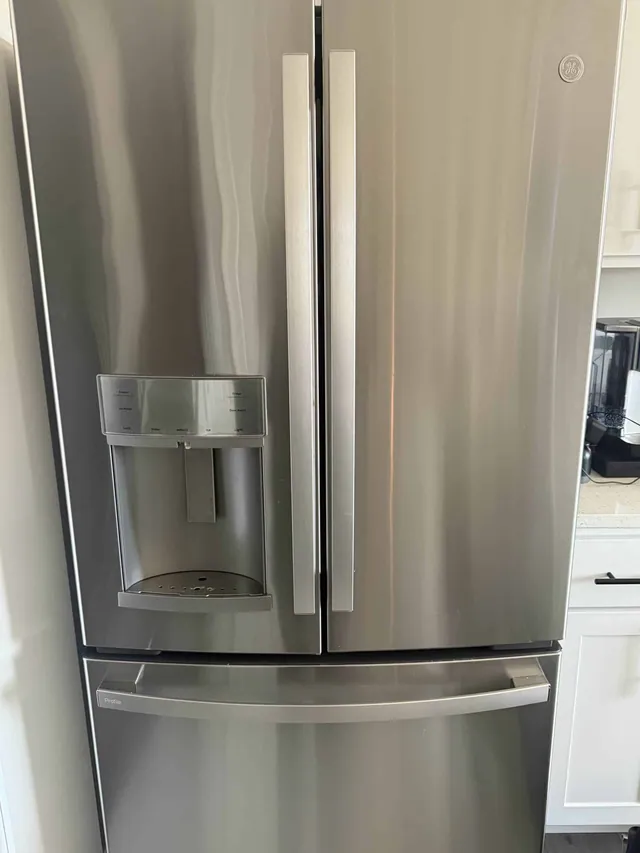
Refrigerator coils located at the back or bottom of your unit release heat during cooling cycles. When those coils get clogged with dust or pet hair, the system struggles to maintain cold temps. This not only shortens the compressor’s life but can lead to 30% higher electricity consumption.
✅ Slide the fridge out and unplug before starting
✅ Use a coil brush or vacuum hose to clear all buildup
✅ Allow at least 2 inches of wall clearance for proper ventilation
Including this task in your home appliance maintenance routine helps stabilize interior temps and prevent compressor failure, especially useful when storing large amounts of food in preparation for gatherings.
Test Oven Calibration
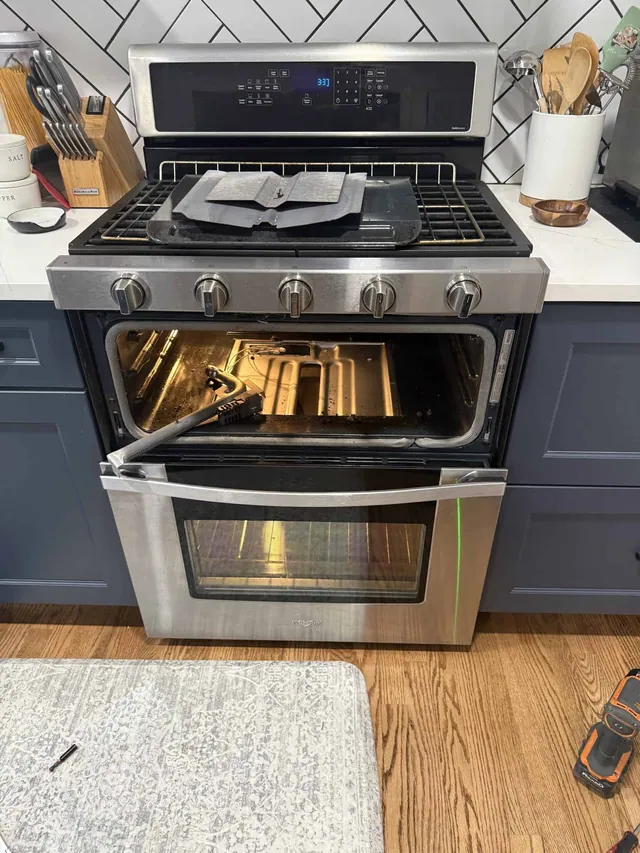
Temperature accuracy isn’t just about even baking, it’s about energy efficiency and food safety. Many electric ovens lose accuracy over time, drifting 25–50°F above or below the set temperature. This can lead to wasted energy and uneven cooking, especially when roasting larger items like turkeys or hams.
✅ Place an oven-safe thermometer on the center rack
✅ Preheat the oven to 350°F and check the displayed temp after 20 minutes
✅ Adjust calibration settings or consult a technician if temps consistently vary
This tune-up helps extend appliance life and improves the performance of your energy-efficient appliances by eliminating guesswork during cooking.
Check Dishwasher Gaskets
Rubber gaskets that form the watertight seal around your dishwasher door degrade over time. Cracks, mineral residue, and mold buildup can lead to leaks, reduced spray pressure, and lingering odors.
✅ Wipe down the seal with warm water and a soft cloth
✅ Run your fingers along the edges to detect cracks or warping
✅ Replace if the gasket feels brittle or doesn’t compress evenly
This simple step supports your fall appliance checklist by preventing hidden water damage and maintaining cleaning efficiency.
Laundry Room Maintenance Checklist Before Cold Weather Hits
The laundry room often flies under the radar, until there’s a flood, strange smell, or dryer that won’t heat. With indoor laundry increasing in cooler months, your maintenance checklist should start with these three essentials.
Dryer Vent Cleaning
More than 2,900 house fires each year are linked to dryer vent buildup. Lint restricts airflow and forces the heating element to work longer and harder, increasing wear and energy costs. A blocked vent can also cause humidity to accumulate indoors, something many homes already battle in the fall.
✅ Disconnect the vent from the wall and inspect inside with a flashlight
✅ Use a rotary vent brush to remove deep lint clogs
✅ Test airflow at the exterior vent while the dryer runs
Scheduling dryer vent cleaning twice a year significantly improves drying performance and lowers the risk of electrical fires.
Inspect Washer Hoses
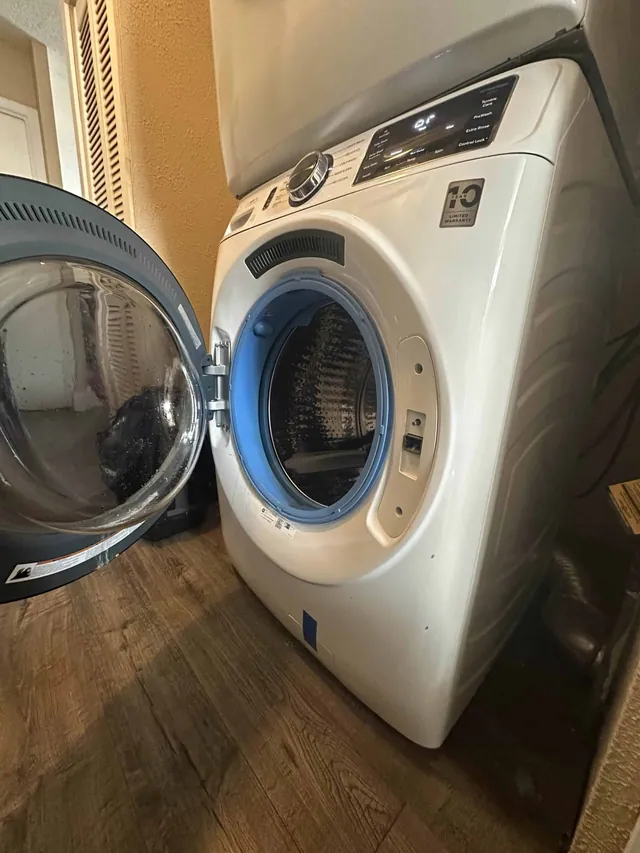
Washer hoses, especially rubber ones, wear down due to pressure changes, temperature shifts, and detergent exposure. A bulging or cracking hose can burst without warning, sending gallons of water across the floor in minutes.
✅ Shut off water supply before inspecting
✅ Check for kinks, rust at connections, or softness in the rubber
✅ Upgrade to braided stainless steel hoses for added durability
Appliance experts offering appliance maintenance Aurora services often recommend replacing washer hoses every 3–5 years regardless of visible wear.
Check Water Heater for Sediment Build-Up
Gas and electric water heaters gradually collect mineral deposits at the bottom of the tank. These deposits act as an insulating layer between the burner and water, forcing the system to use more energy and reducing hot water volume.
✅ Attach a hose to the drain valve at the bottom of the tank
✅ Drain 2–3 gallons into a bucket to remove loose sediment
✅ Full flushing may be needed if you hear rumbling or see cloudy water
Adding this task to your appliance safety tips protects internal components and improves heating speed, especially helpful in colder months when demand increases.

Prevent costly repairs and stressful disruptions by acting early. Contact us now to arrange a professional inspection that safeguards your home’s most essential appliances all season.
Safety + Efficiency Enhancers
Fall readiness isn’t just about cleaning or servicing appliances, it’s also about making sure they’re powered safely and running efficiently behind the scenes. This section of your maintenance checklist targets hidden risks and overlooked savings.
1. Protect Appliances with Surge Guards
Appliances with digital panels, like modern fridges, ovens, and washers, can’t handle sudden power spikes. Voltage surges during fall storms or grid flickers can fry control boards without warning.
What to do 📌 Use surge protectors rated for high-draw appliances
📌 Install a whole-home surge protector for broader protection
📌 Unplug unused countertop units to cut phantom loads
Keeping your energy-efficient appliances safe from voltage swings helps prevent avoidable repair calls and extends internal electronics lifespan.
2. Only Use Appliance-Grade Extension Cords
Standard cords aren’t made for steady appliance loads. Undersized cords can overheat, trip breakers, or even cause fires, especially when run under rugs or behind furniture.
How to stay safe📌 Choose cords rated 12- or 14-gauge, with grounded 3-prong plugs
📌 Keep cord length minimal to reduce resistance and overheating
📌 Avoid concealed cord setups that trap heat
This is a practical move in garages, basement laundry setups, or holiday kitchens, anywhere outlets are stretched. It’s a key part of home appliance maintenance that often goes unnoticed.
3. Track Appliance Usage with Smart Plugs
Many household appliances continue drawing power even when they appear off. These small, constant drains add up, especially during a season with higher energy demand.
Make your usage smarter📌 Use app-connected plugs to track real-time energy consumption
📌 Set automated schedules to shut off idle devices
📌 Spot inefficient appliance behavior before it affects your utility bill
Smart tracking supports better timing, smarter load management, and a cleaner energy-efficient appliances strategy throughout the year.
Seasonal Maintenance Checklist to Prevent Appliance Breakdowns
Your maintenance checklist is only complete once you’ve had your systems inspected by a professional. While many issues are visible, others only show up through electrical testing, temperature monitoring, or part inspections.
Save Money by Catching Issues Early
Trained technicians can detect small failures, like cracked pump housings, failing solenoids, or leaking inlet valves, before they evolve into more expensive breakdowns. Early repair not only reduces service costs but also helps avoid disruptions during high-demand months.
Key steps to take:
✔ Have high-use appliances inspected seasonally
✔ Keep repair records to maintain warranty coverage
✔ Bundle multiple appliances in one visit to save on service fees
Fall inspections also help sidestep long wait times during winter, when technician availability becomes limited.
Extend Appliance Lifespan
Appliances are built to perform reliably, but only with routine care. Dirty filters, imbalanced components, and worn sensors increase internal stress, shorten lifespan, and impact energy efficiency.
Best practices for long-term performance:
✔ Pay attention to new sounds, odors, or performance changes
✔ Work with technicians familiar with your appliance brand and model
Preventive maintenance supports consistent operation and reduces the risk of avoidable repairs, especially during colder months when appliances work harder than usual.
Local homeowners rely on Premium Appliance Repair for transparent diagnostics and seasonal service. Naperville Appliance Repair is one of the area’s most reviewed providers for proactive care.
Why Seasonal Maintenance Makes a Difference
A well-planned maintenance checklist simplifies appliance care during colder months. Whether it’s clearing refrigerator coils, checking gaskets, or finishing dryer vent cleaning, these small steps prevent larger problems from surfacing when systems are under stress.
Appliances that run clean and efficiently use less energy, maintain safer operating conditions, and are less likely to require urgent service in peak winter. Even well-functioning units benefit from occasional expert attention, especially as seasonal usage patterns shift and demand increases.
Even well-functioning units benefit from occasional expert attention, especially as seasonal usage patterns shift. Many homeowners across the suburbs rely on Premium Appliance Repair to help extend appliance lifespan and maintain consistent performance all season long.
Last-minute repairs during cold snaps lead to higher costs and added stress.
A timely check keeps your appliances steady through the toughest months ahead. Call (630) 657-0334 or schedule an appointment today!

Written by the Premium Appliance Repair team. Licensed, factory-trained technicians with 20+ years of experience repairing appliances across the Chicago suburbs. Questions about this article? Call (630) 657-0334. Read our editorial policy.