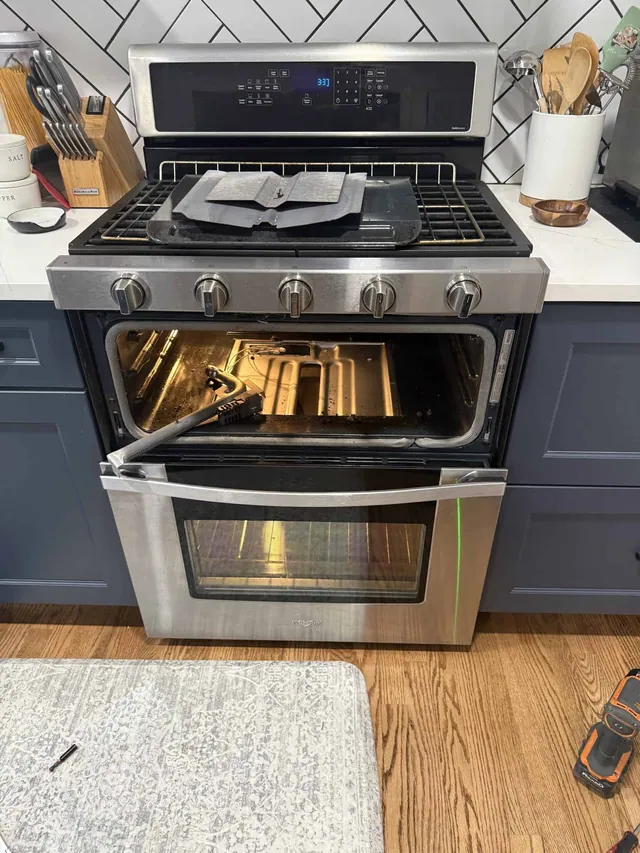
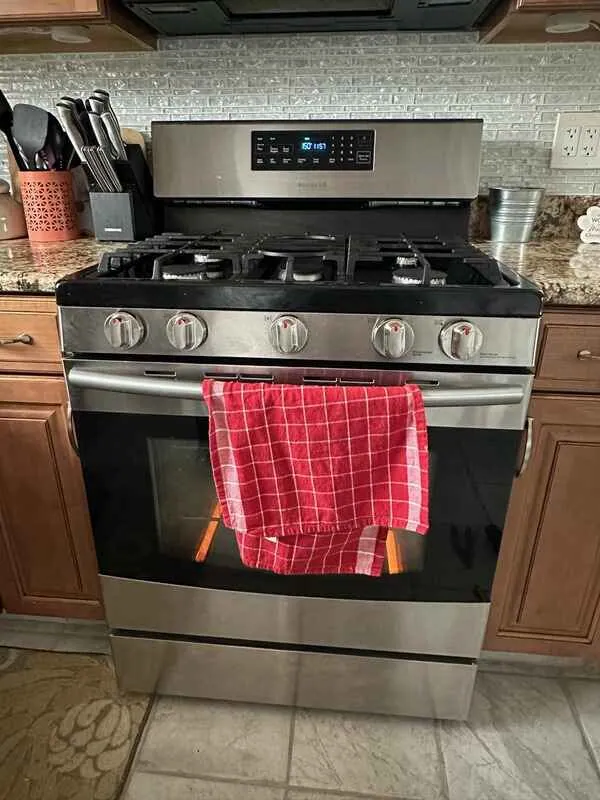
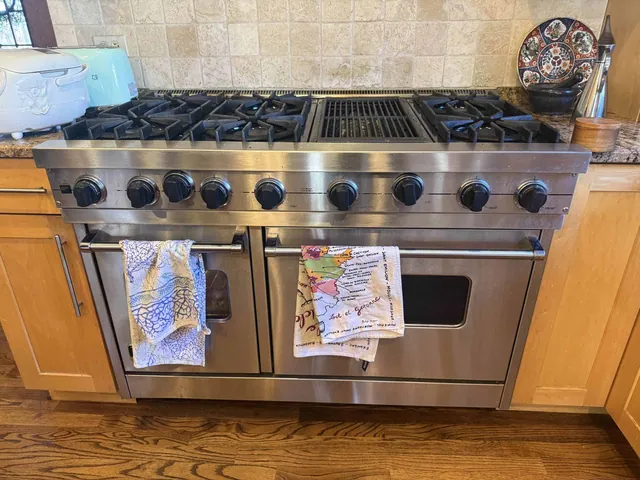
If your oven not heating properly, takes longer to preheat, cooks unevenly, or struggles to maintain temperature, October is a practical time to act. Addressing recurring problems before holiday cooking begins gives you time to understand what the oven needs and reduce disruptions during meal preparation.
For homeowners considering oven repair near me, Premium Appliance Repair serves Chicagoland homeowners with more than 20 years of appliance repair experience. As fall cooking increases, changes in preheating, temperature, and cooking results can become easier to notice. Recognizing those patterns now can help determine whether continued observation or professional kitchen appliance repair is the appropriate next step.
Why Oven Problems Become More Noticeable in October
Cooler weather, fall baking, more meals at home, and early holiday preparation can increase reliance on the oven. That can make oven temperature problems easier to recognize, especially if your oven takes too long to preheat or familiar foods suddenly require different cooking times.
One unusual result does not necessarily indicate a repair problem. Cookware, settings, door opening, and where food is positioned on the oven racks can affect results. If normal adjustments correct the issue, observation may be enough.
If symptoms return, note whether they affect baking, broiling, convection, or surface burners. Following basic appliance safety checks for homeowners can help you monitor the appliance without handling internal gas or electrical components.
Common Signs Your Oven Not Heating Properly
An oven can turn on and still have a heating problem. If the oven is heating unevenly, look for repeatable symptoms rather than one unusual meal:
- Slow preheating: The oven consistently needs longer to reach the selected temperature.
- Uneven baking: One area browns while another remains undercooked.
- Temperature fluctuations: Familiar foods cook too quickly or slowly.
- Inconsistent burners: Range burners do not heat or respond normally.
- Delayed ignition: A gas oven takes longer than normal to produce heat.
These symptoms do not identify a failed component by themselves. Before an appliance inspection, note when the problem occurs and which functions are affected. That information gives an appliance technician a useful starting point.
The Most Common Causes Behind Heating Problems
An oven must produce, monitor, distribute, and control heat. A problem in any of those functions can affect performance, so slow heating does not automatically mean oven thermostat problems.
Possible causes include:
- Igniter: A worn igniter can delay burner ignition in a gas oven.
- Bake or broil element: A failing element can affect preheating and heat distribution.
- Temperature sensor or thermostat: Sensor drift or inaccurate readings can affect temperature control.
- Control board: A fault can interfere with heating and control signals.
- Convection fan: Poor operation can affect airflow and heat distribution.
- Burner assembly: A problem can interfere with gas-oven heat production.
- Electrical or gas supply: Correct power or fuel is necessary for normal operation.
Professional range repair services should start with symptoms and testing rather than an assumed failed part. Homeowners can observe cooking behavior, but gas connections, energized electrical parts, ignition systems, and internal controls require appropriate training.
Oven Not Heating Properly? Igniter and Thermostat Problems Can Look Similar
An igniter helps a gas oven produce heat, while a sensor or thermostat helps monitor or regulate temperature. Problems with either can affect heating for different reasons, so diagnosis matters before oven igniter replacement or another component repair.
Our oven and range repair service for gas and electric models addresses symptoms that may require gas oven repair or electric oven repair. If the oven works normally but a surface burner does not, cooktop repair may be more appropriate through service for burner and cooktop problems.
Gas odors, smoke, fire, or unusual flames require immediate attention. Cooking-fire safety guidance for home kitchens supports stopping use when conditions may present a hazard rather than attempting internal repairs.
Why Waiting Until November Can Be Risky
Holiday meal preparation depends on predictable temperatures and cooking times. Unreliable heat can disrupt meal planning, leave food overcooked or undercooked, and potentially ruin a meal. Waiting until November may also leave less scheduling flexibility, although repair availability varies.
Addressing a recurring problem earlier provides more time to identify what the oven needs before heavier seasonal use. The same preparation principle applies to appliance maintenance before periods of increased use.
An oven does not need an oven repair service simply because the holidays are approaching. Service becomes relevant when recurring symptoms interfere with normal cooking or make performance difficult to rely on.
When Professional Oven Repair Is the Right Next Step
Professional service makes sense when heating problems continue despite normal adjustments, observation, and basic kitchen appliance maintenance. You do not need to identify the failed component before contacting an appliance repair company. Diagnosis can begin with the symptoms and affected functions.
Our licensed, factory-trained appliance service and repair technicians handle home appliance repair for major household appliances. When comparing appliance repair near me, local appliance repair, or range repair near me options, consider technician training, diagnostic ability, appliance experience, service area, and proximity. Our appliance repair services for major household appliances also cover needs beyond ovens and ranges.
For homeowners seeking appliance repair in the Chicago suburbs, our appliance repair service in Naperville provides a local service path.
Frequently Asked Questions About Oven Heating Problems
Why is my oven taking longer to preheat?
Slow preheating can involve the igniter, heating element, temperature sensor, controls, or power supply. If the change repeatedly occurs under normal settings, an appliance inspection can help identify the cause.
Why does my oven cook unevenly?
Cookware, rack position, airflow, heating elements, and temperature control can affect results. If your oven is heating unevenly despite normal adjustments, recurring problems may require professional diagnosis.
Can an oven thermostat cause temperature problems?
Yes. A thermostat or temperature sensor that reads temperature incorrectly can contribute to oven temperature problems. Similar symptoms can have other causes, so appropriate testing should come before component replacement.
Should I repair my oven before the holidays?
If heating problems recur, addressing them before heavier holiday meal preparation provides more time for diagnosis and appropriate service. An oven working normally does not need repair simply because the holidays are approaching.
Is it safe to keep using an oven that doesn’t heat consistently?
The symptom alone does not establish the level of risk. Stop using the oven if you smell gas or notice smoke, fire, unusual flames, or another immediate hazard. Otherwise, recurring heating problems should be professionally evaluated.
Get Your Oven Ready Before Holiday Cooking Begins
If your oven not heating properly, addressing recurring performance changes in October provides more time before November and December cooking demands increase. Not every problem requires emergency oven repair or same day appliance repair. Knowing how to respond when an appliance problem disrupts a busy week can help distinguish a performance problem from an immediate safety concern.
For professional oven repair near me in the Chicagoland area, request an oven repair appointment.
Need oven & range repair?
Our licensed, factory-trained technicians serve the Chicago suburbs with same-day service when available.

Written by the Premium Appliance Repair team. Licensed, factory-trained technicians with 20+ years of experience repairing appliances across the Chicago suburbs. Questions about this article? Call (630) 657-0334. Read our editorial policy.