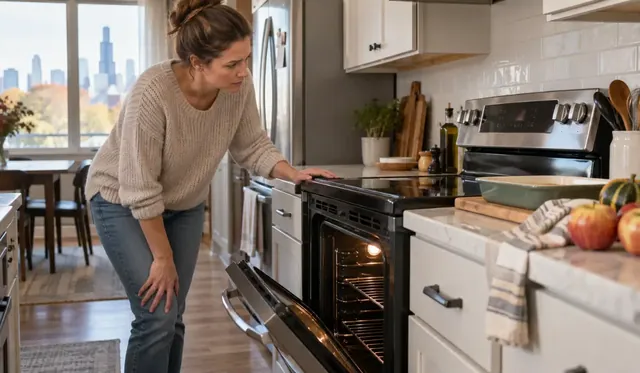
Preparing a rental property appliance for winter starts with checking performance before colder weather brings more cooking, laundry, and indoor activity. Refrigerators should hold temperature, laundry appliances should complete normal cycles, dishwashers should drain properly, and cooking equipment should heat consistently. Finding changes early gives landlords and property managers time to address problems before they disrupt tenants.
With more than 20 years of home appliance repair experience, Premium Appliance Repair recommends starting seasonal checks by noting changes in normal appliance maintenance and performance. That matters in winter, when heavier daily use can make existing appliance problems easier to spot.
Why Winter Changes Appliance Demand in Rental Properties
Colder weather often means more cooking, laundry, dishwasher use, and daily dependence on refrigerators and freezers. More use does not automatically cause equipment to fail, but it can make an existing problem easier to notice.
A dryer that suddenly needs two cycles, a refrigerator struggling to hold temperature, or a dishwasher leaving standing water is showing a change in normal performance. During an appliance inspection, focus on what changed. A longer cycle, new sound, temperature change, leak, or recurring error code tells you more than whether the appliance simply turns on. For a broader property check, see our appliance safety checks.
Priority Rental Property Appliance Checks Before Winter
Let each appliance complete its normal function and watch for changes in temperature, drainage, airflow, heating, sound, or cycle performance.
- Refrigerators and freezers: Check temperatures, refrigerator seals, frost buildup, unusual sounds, and door closure.
- Washers and dryers: Look for damaged washer hoses, poor drainage, excessive movement, longer drying times, and dryer vent or airflow concerns.
- Ovens and ranges: Check burners, controls, oven ignition, doors, and temperature consistency.
- Dishwashers: Watch for dishwasher drainage problems, leaks, unusual sounds, and declining cleaning performance.
The FDA recommends keeping refrigerators at or below 40°F and freezers at 0°F. Its guidance on safe refrigerator and freezer storage also recommends an appliance thermometer.
If a refrigerator cannot hold its normal temperature, record the temperature and how often the problem occurs. Persistent cooling problems may require refrigerator repair. Unexpected thawing, excessive frost, or inconsistent freezer temperature should also be recorded for an appliance technician when freezer repair may be needed.
What a Rental Property Appliance Inspection Should Record
A useful rental property appliance inspection records what changed rather than trying to diagnose an internal part. Note the unit, appliance type, brand and model when available, date, symptom, error code, previous service, and follow-up needed.
Tell the technician what the appliance did, not just that it is broken. “Washer shows an error code and leaves water after the cycle” gives us a better starting point than “washer broken.”
Clear records also help with professional appliance diagnostics. For landlords, property managers, real estate investors, and multi-unit owners, repair history can reveal recurring symptoms and make property management appliance repair easier to coordinate.
Maintenance Items Property Owners Commonly Overlook
Changes around hoses, seals, drainage, airflow, and heating are easy to miss. A seasonal appliance inspection should include:
- Washer hoses and drainage: Check for cracks, bulging, leaks, unusual movement, or water left after a cycle. Continuing problems may require washer repair.
- Dryer lint and airflow: Longer drying times are a performance change. Follow appropriate lint maintenance and these clothes dryer safety recommendations. If the problem continues, dryer repair may be needed.
- Oven heating: Note repeated slow preheating, uneven temperatures, or ignition trouble. Persistent problems may call for oven repair.
- Dishwasher drainage: Record repeated standing water, leaks, or poor drainage. Continuing problems may require dishwasher repair.
Follow the manufacturer’s maintenance instructions for each model. These checks support preventive appliance maintenance rather than predicting every breakdown. Our seasonal appliance maintenance tips cover another point in the annual maintenance cycle.
Building a Seasonal Maintenance Schedule for Rentals
A practical rental property appliance maintenance plan combines seasonal checks with routine property management. ENERGY STAR’s operations and maintenance best practices support preventive maintenance and regular equipment checks rather than waiting for problems to become more serious.
A simple landlord appliance checklist keeps the process consistent:
| Maintenance point | What to check | Next step |
|---|---|---|
| Annual inspection | Operation, seals, hoses, drainage, heating, cooling, airflow | Record condition and changes |
| Before winter | Temperature, leaks, sounds, heating, drainage, airflow | Monitor, maintain, or schedule service |
| Between tenants | Operation, wear, hoses, seals, controls | Complete needed maintenance |
| Preventive service | Recurring or developing problems | Record service and follow-up |
Property turnover and seasonal inspections can overlap. A turnover check asks whether supplied appliances are ready for the next tenant; a seasonal check looks for changes that may need attention in the coming months.
A landlord maintenance plan can combine inspections, records, tenant communication, and a process for responding when performance changes. When professional attention is needed, appliance repair services are the next step.
Planning Repairs Without Treating Every Problem as an Emergency
Not every performance change requires the same response:
Monitor: Record a minor change without a safety concern or loss of normal function.
Maintain: Complete appropriate routine upkeep.
Schedule service: Get professional help when problems repeat, performance declines, error codes return, or maintenance does not fix the issue.
Act promptly: Smoke, sparking, burning odors, gas odors, active leaks, or other possible safety concerns require a different response.
Tenants should not take appliances apart or attempt repairs they are not qualified to perform. Our information on urgent appliance problems adds context for situations that may require emergency appliance repair.
For apartment appliance repair, ask tenants for the unit, appliance, exact symptom, error code when present, and when the problem began. That information can reduce delays and give the technician a useful starting point.
Partnering With a Reliable Appliance Repair Company
Choosing an appliance repair company before an urgent problem arises gives property managers more time to evaluate communication, service coverage, response-time expectations, and repair documentation.
Working with a consistent local appliance repair provider can give property managers one place to track service history, follow-up needs, and recurring symptoms.
Our appliance service and repair technicians are licensed, factory-trained, and experienced with major household appliance types and brands. Premium Appliance Repair brings more than 20 years of company experience to household appliance service and comes prepared with many major appliance repair parts.
A dependable appliance service company can make repair follow-up easier for multi-unit properties. We provide appliance repair in the Chicago suburbs, including Naperville. See our Naperville appliance repair services for local service information.
| Preparing a rental property appliance for winter helps separate routine maintenance from problems that need professional repair. Recurring cooling, drainage, drying, or heating problems are signs to move beyond monitoring. Premium Appliance Repair services major household appliances throughout the Chicagoland area. Share the symptoms, error codes, and previous service details so our team knows what has been happening. Schedule Appliance Repair |

Written by the Premium Appliance Repair team. Licensed, factory-trained technicians with 20+ years of experience repairing appliances across the Chicago suburbs. Questions about this article? Call (630) 657-0334. Read our editorial policy.