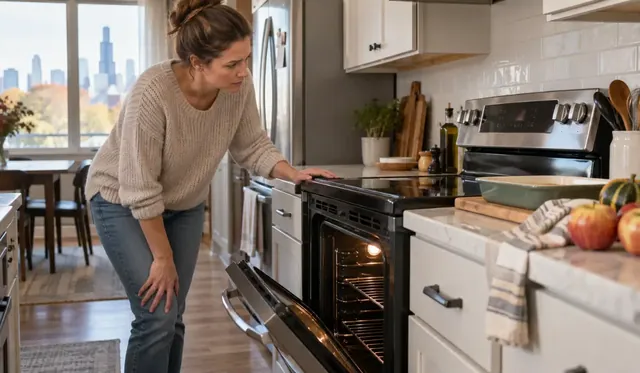
Strange appliance noises can signal a change even when an appliance still seems to work normally. A new buzz, grind, squeal, click, rattle, or bang may provide an early clue, but sound alone rarely identifies the problem.
A familiar sound with normal performance may only need monitoring. Persistent noise with poor cooling, draining, heating, leaking, failed starts, or excessive movement deserves attention. Smoke, burning smells, electrical problems, or violent movement requires a safety-first response.
With Premium Appliance Repair, diagnosis considers the sound, when it occurs, and any performance changes. Fall conditions can also make existing appliance sounds easier to notice.
Why Appliances Can Sound Different as Seasons Change
Fall does not necessarily cause a new appliance sound. Seasonal temperature changes, cooler indoor conditions, increased indoor use, and changing routines can affect how often appliances run or make existing sounds easier to notice.
Homes may also be quieter without air conditioners, fans, open windows, and outdoor activity masking a hum, click, or vibration. A new sound becomes more significant when cooling, drying, draining, heating, or normal movement changes with it. That combination may point to appliance maintenance or repair.
What Strange Appliance Noises May Be Telling You
Different components can create similar noises, so sound alone rarely tells the whole story. Use three clues to narrow the problem:
- Identify the sound: Is it buzzing, grinding, squealing, clicking, rattling, or banging?
- Note when it happens: Startup, cooling, washing, draining, spinning, or heating can narrow the possibilities.
- Check performance: Changes in cooling, draining, heating, movement, or cycle completion make the sound more meaningful.
These details give an appliance technician a better starting point for diagnosis.
How Strange Appliance Noises Can Narrow Down the Problem
A compressor, evaporator fan, drive belt, drum rollers, circulation pump, drain pump, cooling fan, igniter, bearings, and motor perform different jobs. Matching the sound to what the appliance is doing helps narrow the problem without guessing which component failed.
Buzzing
A low refrigerator or freezer hum can be normal. For a refrigerator making buzzing noise, check whether cooling remains normal and whether the sound comes and goes with the cooling cycle. A persistent buzz combined with warming food gives a technician more useful information when evaluating a refrigerator problem.
The same principle applies to freezer humming. If the sound comes with heavy frost, freezer full of ice covers another symptom worth checking. ENERGY STAR also provides context about freezer operation and efficiency. Declining freezing performance combined with a new sound gives you clearer symptoms to report when scheduling freezer service.
Grinding
For a dishwasher making grinding noise, timing matters because washing and draining involve different functions. Standing water, poor cleaning, or an incomplete cycle makes the sound more useful for diagnosis.
If grinding repeatedly occurs with poor cleaning, standing water, or incomplete cycles, professional dishwasher repair service may be appropriate.
Washing machines can also make harsh sounds during agitation or spinning. Poor draining, excessive movement, or failed cycles provide additional clues covered in these washing machine warning signs.
Squealing
For dryer squeaking, note whether the sound appears only at startup or continues as the drum turns. The drive belt, drum rollers, bearings, and motor help the drum move, so a squeal alone does not identify the cause.
Longer drying times, unusual vibration, or changing heat adds useful context. Check these dryer overheating warning signs if the dryer becomes unusually hot. Persistent squealing paired with poor drying or unusual drum movement may warrant professional dryer repair service.
Clicking
Some clicks are normal. An oven clicking noise becomes more significant when it repeats and the oven fails to operate normally.
Note whether clicking happens before ignition, continues afterward, or comes with a failed start. If repeated clicking accompanies failed ignition or another performance problem, professional oven and range repair service may be appropriate.
Rattling and Banging
First rule out an object touching the appliance, an unstable surface, or another outside source of vibration. A washer banging during spin cycle can result from one unbalanced load, especially if redistributing it stops the noise.
Repeated banging with balanced loads, excessive shaking, or movement out of position may justify an appliance inspection. Samsung provides more information about common washing machine noises. If banging continues with balanced loads or the washer repeatedly shakes or moves out of position, professional washing machine repair service may be appropriate.
Which Sounds Require Prompt Professional Attention
What happens with the sound often determines how quickly you should respond:
- Metal-on-metal grinding: Stop the cycle if continued operation makes the noise worse.
- Electrical buzzing with failed operation: Avoid repeatedly trying to restart the appliance.
- Repeated clicking or failed starts: Note what the appliance tries to do before it stops.
- Burning smell, smoke, or overheating: Stop using the appliance and disconnect power when safe.
- Violent movement: Stop the appliance if it moves out of position.
The U.S. Consumer Product Safety Commission provides information about electrical hazards in the home. Smoke, fire, a suspected gas problem, or another immediate hazard requires emergency safety help rather than emergency appliance repair.
For persistent noises without an immediate hazard, appliance repair services are available for major household appliances.
Sounds That May Be Harmless but Should Still Be Monitored
Some appliance sounds are part of normal operation. Refrigerators and freezers can hum as the compressor cycles, ice makers may make occasional clicks or other brief sounds, and temperature changes can cause materials inside an appliance to expand or contract, producing popping or cracking noises.
These sounds are generally more useful to monitor than to diagnose on their own. The practical distinction is change plus performance: a sound that becomes louder, more frequent, or persistent, especially alongside poor cooling, drying, draining, heating, or cycle completion, deserves closer attention.
Why Recording Appliance Sounds Can Help During Diagnosis
Intermittent noises may stop before a technician arrives. From a safe position, record the sound and note:
- when it occurs and how often;
- what the appliance is doing;
- whether performance changes;
- what happened before the noise began.
Do not remove panels, bypass safety features, or keep an unsafe appliance running for a recording. These observations improve appliance diagnostics and can help us evaluate a symptom that does not occur during the service visit.
Deciding When a New Appliance Sound Needs Repair
A recurring noise combined with a performance problem gives you a stronger reason to consider home appliance repair. When comparing local appliance repair companies, confirm that the technician works on your appliance type and considers the full set of symptoms rather than the noise alone.
We serve customers throughout Chicagoland, including appliance repair in Naperville. Our licensed, factory-trained appliance service and repair technicians have more than 20 years of experience with major appliance types and brands.
Tell us what the sound is, when it happens, and what changes afterward. If same-day appliance repair matters, confirm current appointment availability when scheduling.
Frequently Asked Questions About Appliance Noises
Why is my refrigerator buzzing?
A low hum or occasional buzz can be part of normal refrigerator operation. A new or persistent refrigerator making buzzing noise becomes more meaningful when cooling performance changes, food starts warming, or the sound becomes louder or more frequent.
Is a squeaking dryer dangerous?
Dryer squeaking does not automatically mean the dryer is unsafe. Stop using it and address the situation more promptly when the sound is accompanied by smoke, a burning smell, unusual heat, or another immediate safety concern. Persistent squealing with poor drying or unusual drum movement may also warrant professional service.
Why does my dishwasher make grinding noises?
A dishwasher making grinding noise can occur during different parts of the wash or drain cycle, so the sound alone does not identify the cause. Note when it happens and whether standing water, poor cleaning, or incomplete cycles occur with it.
Should I ignore clicking sounds?
Not automatically. Occasional clicking can be normal, but repeated clicking paired with failed starts, failed ignition, or another change in performance deserves closer attention. The timing of the clicking helps determine whether monitoring or professional evaluation is the more practical next step.
Get a New or Strange Appliance Noise Checked
A familiar sound with normal performance can often be monitored. A strange or recurring appliance noise paired with a change in cooling, heating, draining, or normal operation is a practical point to consider professional appliance repair in the Chicago suburbs.
We service major household appliances throughout Chicagoland. Tell us what you hear, when it happens, and what has changed so we can evaluate the problem and explain the appropriate next step.

Written by the Premium Appliance Repair team. Licensed, factory-trained technicians with 20+ years of experience repairing appliances across the Chicago suburbs. Questions about this article? Call (630) 657-0334. Read our editorial policy.