
Washing Machine Problems Families Notice Right Before School Starts
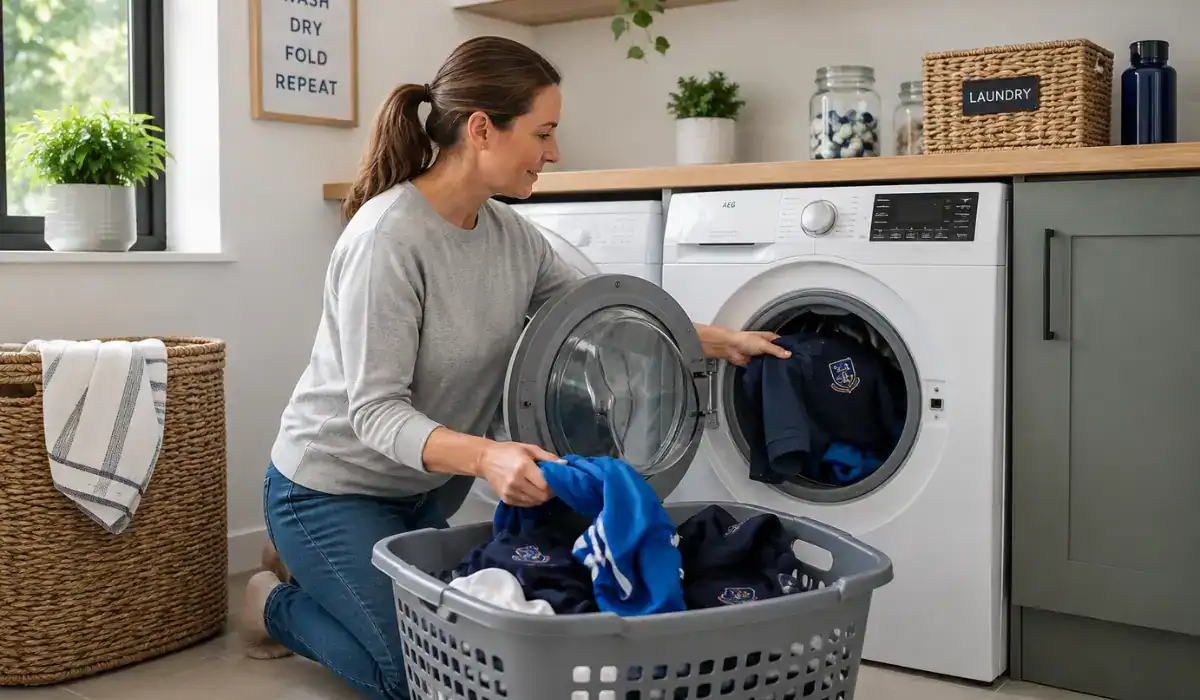
Many families first notice washing machine problems when school routines bring daily uniforms, sports gear, towels, and work clothes back into the laundry cycle. The extra use does not always create a new problem. It often makes slow draining, weak spinning, vibration, or parts that were already wearing down much easier to notice.
Premium Appliance Repair has helped homeowners throughout the Chicago suburbs for more than 20 years. The Chicago-area appliance repair team includes licensed, factory-trained technicians who diagnose problems across major washer brands.
The most useful clue is often consistency. One unusual cycle may come from an uneven load, while the same symptom during several normal loads deserves closer attention.
Why Laundry Habits Change Before School Begins
Back-to-school routines change both how often families wash clothes and what goes into each load. Summer laundry may be flexible, but school brings uniforms that need to be ready the next morning, athletic clothing after practice, towels, work clothes, and weekend catch-up loads.
Smaller loads may also run more often because families cannot wait for a full hamper before washing something needed the next day. Other households do the opposite and pack more clothing into each load to save time. Both patterns change how the washer performs compared with a lighter summer routine.
| Summer Routine | School-Year Routine | What May Become Noticeable |
|---|---|---|
| Fewer weekly loads | Daily washing | Slow draining |
| Lightweight clothing | Uniforms, towels, sports gear | Balance changes |
| Long gaps between cycles | Loads run close together | Longer cycle times |
| Flexible timing | Clothing needed quickly | Spin inconsistencies |
Running more loads does not automatically damage a washer, but it often reveals problems that were already beginning to develop. Routine care before busy laundry seasons can also reduce unnecessary strain, and our seasonal appliance maintenance steps explain simple ways to prepare household appliances before demand increases.
Good laundry habits can help reduce unnecessary strain during busy seasons, although they cannot prevent every mechanical problem. Efficient clothes washer guidance from ENERGY STAR also reinforces the importance of using washing machines efficiently as part of routine appliance care. .
A changing routine is useful context, not proof that the washer needs replacing. Instead, it helps explain why hidden issues often become easier to recognize once the school-year laundry schedule begins.
Symptoms That Suggest More Than Normal Wear
Repeated changes in draining, spinning, vibration, or cycle time deserve more attention than one unusual load. The goal is not to diagnose a failed part from a single symptom, but to notice when the washer stops behaving normally under ordinary conditions.
One common sign is a washer not draining completely. Water may remain in the drum, or the machine may take much longer to move from washing into the spin stage. The same problem appearing across several loads gives a technician more useful information than one isolated delay.
Common warning signs include:
- Clothes remain much wetter after the spin cycle.
- Water repeatedly stays inside the drum.
- The washer shakes during normally sized loads.
- Cycle times suddenly become longer.
- New grinding, humming, or knocking sounds continue.
- Moisture appears under or behind the machine.
Strong vibration needs context. A single towel or sweatshirt can shift to one side and temporarily throw the drum off balance. Shaking that continues after the load is redistributed may point to leveling, suspension, or another problem affecting drum control.
Leaks deserve attention even when the washer still runs normally. Our explanation of small appliance leak damage shows why moisture around household appliances can affect nearby flooring, cabinets, or other materials if it continues unnoticed.
washing machine problems are easier to assess when the same symptom appears during several normal cycles. A mild, repeatable issue often tells more than one dramatic event caused by an unusually heavy load.
The Hidden Causes Behind Common Washing Machine Problems
The visible symptom does not always reveal where the problem begins. Slow spinning, for example, can start with poor drainage, while strong shaking may involve load distribution or worn suspension parts rather than the motor.
A washer not spinning consistently may involve more than the spin system itself. If water has not drained properly, the machine may delay or limit high-speed spinning. Door or lid switches can also interrupt a cycle when the washer does not receive the safety signal it expects.
| Possible Cause | What Happens Inside the Washer |
|---|---|
| Drain pump strain | Water leaves the drum more slowly |
| Load imbalance | The drum cannot reach a stable spin |
| Door or lid switch issue | The cycle may stop before spinning |
| Worn suspension parts | The drum moves more than it should |
| Hose or seal wear | Water may escape during part of the cycle |
Why Washing Machine Problems Become More Noticeable
More frequent laundry makes small performance changes easier to recognize. A drain pump that seemed only slightly slower during the summer or suspension parts beginning to wear may become much more noticeable once school routines increase the washer’s workload.
Our technicians inspect the complete wash cycle because several symptoms can share the same cause. Our summer washer breakdown causes explain why seasonal changes in laundry demand often reveal developing washer problems sooner.
Common Mistakes That Can Make Washer Problems Worse
Busy schedules can turn a minor washer issue into a much bigger inconvenience when families are trying to keep up with school routines. In many real cases, the problem is not caused by one heavy load but by habits that place extra strain on a washer that is already beginning to show signs of wear.
Premium Appliance Repair often sees families continue using a washer because it still completes a cycle, even though the warning signs become more noticeable each week. Washing machine problems can become more difficult to diagnose when repeated use places additional stress on parts that were already wearing down.
- Overloading to save time. Packing too many clothes into one load limits how freely the drum can move. Over time, the extra weight can increase stress on the suspension, drive components, and other moving parts.
- Restarting interrupted cycles repeatedly. Restarting a cycle once may help rule out a temporary imbalance. If the same interruption happens again during normal loads, repeating the cycle is unlikely to solve the underlying problem and may place additional strain on the washer.
- Ignoring minor leaks. A small leak may only appear during filling, draining, or spinning, making it easy to overlook. Even a slow leak can affect surrounding flooring or cabinetry if moisture continues collecting over time.
- Treating maintenance as repair. Cleaning accessible filters, detergent drawers, and door seals is an important part of routine care, but those tasks cannot correct worn mechanical parts or electrical faults that continue affecting washer performance.
Routine care helps reduce unnecessary wear and supports efficient washer performance. The American Cleaning Institute shares energy-saving laundry tips that encourage efficient washing habits. Good laundry practices help, but recurring mechanical symptoms still call for a professional diagnosis.
When warning signs continue appearing during normal laundry loads, maintenance alone is no longer enough. Appliance repair services can determine whether the issue is caused by normal wear, a failing component, or another condition that should be addressed before it interrupts your family’s regular laundry routine.
Knowing When It’s Time for Professional Diagnosis
Professional diagnosis makes sense when a symptom repeats during normal loads, becomes worse, or creates a safety concern. Waiting for the washer to stop completely may turn a manageable service appointment into an immediate household disruption.
Whether the washer still finishes a cycle is not the only factor. A machine may complete the load while draining more slowly, shaking harder, or leaving clothing wetter each time, so the pattern of change matters when deciding what to do next.
A simple decision framework can help separate an isolated event from a pattern that deserves service:
- One unusual cycle: Check load balance and the selected setting.
- Same symptom across several loads: Arrange a professional inspection.
- Two or more symptoms together: Service becomes more important because one problem may be affecting another stage.
- Leak, smoke, sparks, or persistent burning smell: Stop using the washer and have it checked before another cycle.
The U.S. Consumer Product Safety Commission notes that electrical hazards in the home deserve prompt attention. If a washer produces smoke, sparks, a burning smell, or shows signs of an electrical problem, stop using it until it has been professionally inspected.
For homeowners considering laundry appliance repair, timing matters when the same problem keeps returning. Families can review washer repair in Naperville to see where we provide professional washer repair throughout the Chicago suburbs.
Trust also comes from knowing who is diagnosing your appliance. Our company repair experience explains our licensed, factory-trained technicians and more than 20 years of appliance repair experience.
A professional inspection should identify the likely cause before any repair decision is made. That gives homeowners a clearer understanding of the problem and the most appropriate next step.
Frequently Asked Questions About Washer Warning Signs
A search for washing machine repair near me often comes after the same symptom has appeared during several normal loads. The questions below help separate one-time washer behavior from patterns that may justify professional service.
Different symptoms can also share the same cause, so one warning sign rarely identifies a failed part on its own. Looking at when the problem happens and whether it repeats gives a clearer picture.
Why won’t my washer spin consistently?
An inconsistent spin can come from an uneven load, slow drainage, a door or lid switch issue, or wear in the parts that turn the drum.
If redistributing a normally sized load does not correct the problem and the symptom returns, a technician can check which stage of the cycle is interrupting the spin.
Why does my washing machine shake so much?
Strong shaking may come from uneven clothing, an unlevel washer, or suspension parts that no longer control drum movement well.
One unbalanced load is common. If shaking continues during ordinary loads after the clothing is redistributed, the repeated movement may justify an inspection.
Can overloading damage a washing machine?
Repeated overloading can place added strain on the suspension, drive system, bearings, and drainage process.
A single heavy load may only create a temporary imbalance, but consistently packing the drum too tightly can increase wear and reduce washing and spinning performance.
Schedule Service Before Laundry Demands Increase
Recurring drain, spin, vibration, or leak symptoms are easier to address before school-week laundry becomes even busier. Premium Appliance Repair’s licensed, factory-trained technicians diagnose washing machine problems across the Chicago suburbs and explain the cause before recommending a repair.
Schedule a washer inspection if the same symptoms continue during normal laundry loads. Addressing the problem early can help prevent bigger interruptions to your family’s routine.
If you have questions before scheduling, repair team contact options are available. You can also call (630) 657-0334 to speak with our team and arrange a convenient appointment.