Common Reasons Your Washing Machine Has a Moldy or Musty Smell
Moldy smell ruining fresh laundry? You’re not alone.
In Aurora and nearby suburbs, a smelly washing machine is one of the most frequent complaints among homeowners. That musty odor clinging to clean clothes is often a sign of mold, detergent buildup, or poor drainage. Many search for appliance repair near me once routine cleanings no longer solve the problem.
Premium Appliance Repair offers expert washing machine repair services to eliminate odor issues and restore your washer’s performance. Whether the problem stems from buildup in the drum or something more serious behind the scenes, addressing it now prevents bigger repair bills later.
To fix the issue effectively, it’s important to first understand what’s causing the smell.
Don’t let a moldy washer disrupt your home. For expert help that gets results fast, call (630) 657-0334 today. One quick call could save your clothes, your time, and your appliance from more serious issues.
Why Washing Machines Start to Smell Bad?
High-efficiency washers use less water and energy, but their tight seals and cooler wash cycles often trap moisture. This creates ideal conditions for mold, bacteria, and odor to develop inside the machine. Even small amounts of leftover water or detergent can lead to a lingering smell that affects every load.
In homes throughout Aurora and nearby suburbs, these are the most common causes behind persistent washer odor.
Mold and Bacteria in the Door Gasket
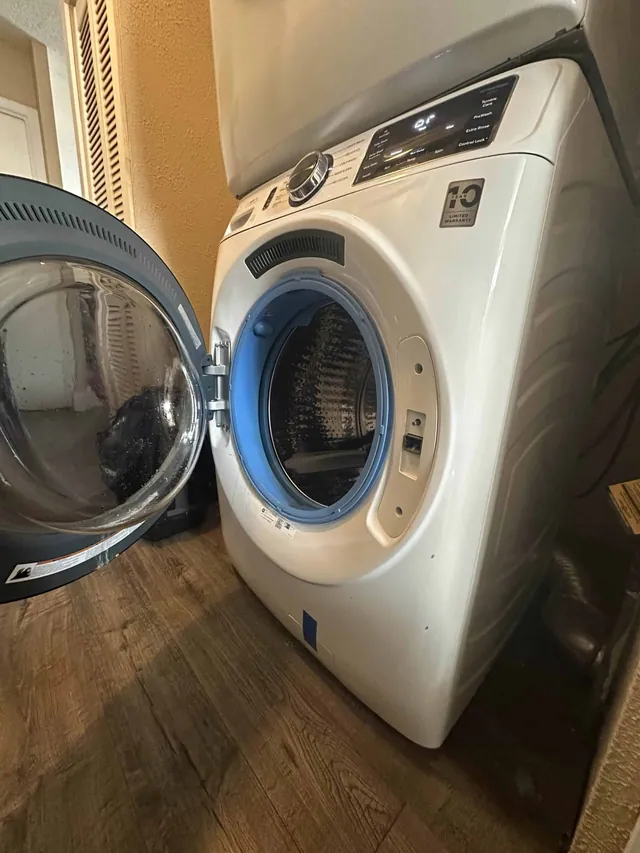
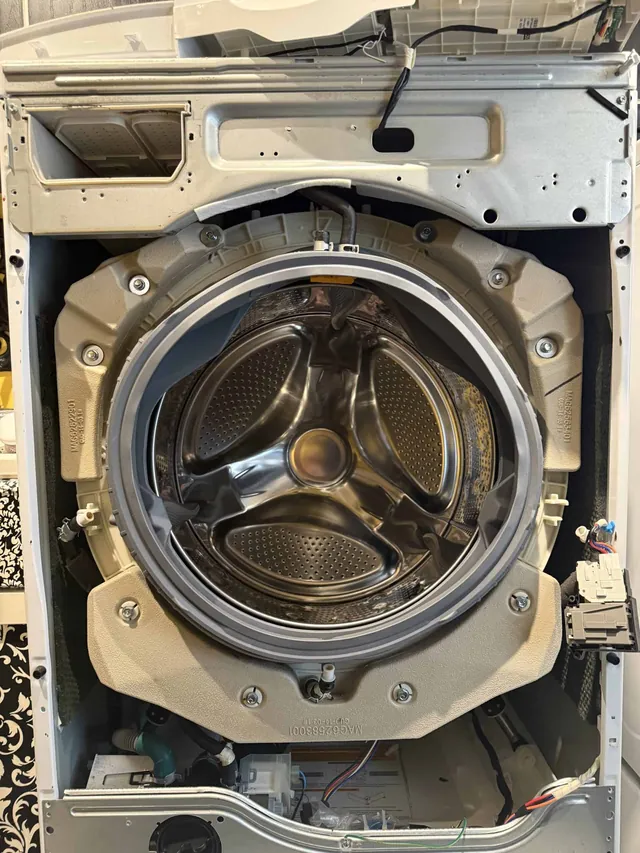
Front-load washers are known for their efficiency, but the rubber gasket around the door traps moisture between loads. Heat from recent cycles, residual detergent, and limited airflow create ideal conditions for bacteria and mold, often the reason your washer smells like mildew, even after a fresh cycle. Keeping the door closed for hours only makes it worse.
Visible signs of trouble:
- 📌 Slimy black buildup around the seal
- 📌 Musty smell when opening the door
- 📌 Mold streaks on freshly washed clothes
💧 Tip for prevention: After each load, wipe the gasket dry and leave the door ajar to promote ventilation. Most mold begins in these overlooked spaces.
Detergent Residue and Product Overuse
Using too much detergent, even if it’s labeled “HE”, often leads to soap that doesn’t fully rinse away. This creates a thin film inside the drum, hoses, and seals that traps lint, dirt, and bacteria.
🧪 Liquid detergent tends to leave more residue than powdered options.
💡 Lower-cost or heavily fragranced products can worsen the buildup over time.
To minimize risk:
- Use the recommended dose, not more
- Occasionally switch to powdered detergent
- Run a monthly hot water cycle to break down buildup
For homeowners dealing with excess water around the machine during cycles, understanding why a washing machine might be leaking can help prevent related odor problems and avoid future breakdowns.
Closing the Washer Door Between Loads
It’s convenient to close the door right after use, especially in smaller laundry rooms. But doing this keeps moisture locked inside. Even in dry homes, the humid, dark space becomes a mold magnet in just 12–24 hours.
✅ Front-load washers benefit from airflow just like a shower stall.
✅ Leaving the door open by even two inches reduces mold risk by up to 90%.
📌 Airing it out is the easiest way to stop future odor before it starts.
Clogged or Dirty Washer Filter
If your washer smells, even after running a clean cycle, the issue may be deeper, in the filter. This small but important part traps lint, coins, fabric threads, and grime. Once clogged, water doesn’t drain efficiently, leaving standing water that quickly begins to stink.
🧰 On average, washer filters should be checked every 2–3 months, especially in households with pets or heavy laundry loads.
Signs your filter may need attention:
- Unusual buzzing or vibrations during spin cycles
- Water pooling in the drum after a wash
- Lingering odor even after using cleaning tablets
🚫 Ignoring filter maintenance can reduce your washer’s lifespan and lead to more expensive repairs down the road.
Each of these issues may start small, but left unchecked, they snowball into stubborn odor problems and potential repair needs. Recognizing them early helps protect your appliance, your laundry, and your peace of mind.
How to Get Rid of That Moldy Smell?
Before you search appliance repair near me, there are a few simple routines that can bring immediate results and help fix washer odor before it escalates.
Step-by-Step DIY Deep Cleaning
Give your washing machine a top-to-bottom refresh:
- Remove and soak the detergent tray in warm, soapy water.
- Use a microfiber cloth dipped in diluted vinegar to scrub the rubber gasket.
- Remove any visible lint or gunk from around the door seal.
- Run an empty cycle on the hottest setting with bleach or washer cleaning tablets.
Use of Affresh Tablets or Vinegar/Baking Soda
Commercial tablets like Affresh work well for breaking down hidden buildup. If you prefer natural solutions, try this method:
- Add 2 cups of white vinegar to the drum.
- Sprinkle 1/3 cup baking soda in the detergent tray.
- Run on hot. Let it sit for an hour before completing the cycle.
Doing this monthly can reduce bacterial growth and help clean your washing machine drum thoroughly.
Wipe Down Door Seals and Drum
A quick weekly wipe-down of the inner drum and gasket using a 50/50 vinegar-water mix helps prevent mold from forming. Focus on hidden crevices, discolored spots, and areas where moisture lingers to effectively clean washing machine drum. Always finish by drying the door and gasket with a clean towel.

Odors coming back no matter what you try? Our technicians are trained to find what DIY fixes miss. Contact us now to schedule a deep clean or repair service that actually works.
When Odor = A Repair Issue
If your washer still stinks after several cleanings, the problem might not be cosmetic. Some internal issues require repair, not just a scrub.
🚫 Standing Water or Poor Drainage
Water pooling inside the drum? It’s more than an inconvenience. It may point to a faulty pump or drainage hose blockage. Machines that can’t expel water properly allow mold to breed.
🔧 Pump or Filter Trouble
If your machine shakes or buzzes more than usual, a damaged filter or circulation pump could be struggling to perform. These parts can wear out over time, especially in households that do frequent loads. That’s when washing machine repair near me becomes more than a search term. It’s your next step.
🧼 Gasket Needs Replacing
Sometimes, no amount of vinegar will restore a deteriorated gasket. Cracks and gaps can trap moisture and harbor long-term mold colonies. A professional washing machine repair Aurora specialist can identify and replace damaged parts, saving you future headaches (and laundry re-washing).
Why Washing Machine Smell Problems Keep Coming Back?
Many of our customers ask why the smell always returns a few weeks later. It usually comes down to one thing: inconsistent cleaning routines. If your washer rarely runs on hot, or if the door stays shut between loads, bacteria will come back fast.
Prevent it with these monthly appliance cleaning tips:
- Run a hot cleaning cycle once a month (with vinegar or tablets).
- Always remove damp clothes promptly.
- Leave the washer door open for airflow.
- Check and clean the filter every other month.
These habits don’t just reduce odor, they extend the lifespan of your machine and lower the chance you’ll need full-service repair later.
Washing Machine Repair Services in Aurora
A musty washer isn’t just a minor inconvenience, it’s often a sign of deeper problems like mold buildup, drainage failure, or worn-out components. Ignoring it can lead to costly repairs, recurring odor, or even permanent damage to your appliance.
Licensed technicians from Premium Appliance Repair handle washing machine repair in Aurora with precision and same-day availability whenever possible. With over 20 years of experience, we help homeowners get clean results, without the smell.
🧼 Want to stay ahead of mold and odor problems? Download our free washer cleaning checklist, perfect for seasonal maintenance and monthly care routines.
Schedule a Washer Deep Clean in Aurora
If you’re tired of guessing or cleaning the same parts repeatedly, it may be time to call for help. Our trained technicians offer washer deep cleaning services across Aurora and the surrounding areas.
We know how to spot the hidden causes behind lingering odors, and we carry replacement parts for most major washer brands. Whether it’s a filter issue, pump malfunction, or simply time for a proper cleanout, we can help.
Let Premium Appliance Repair bring back that fresh laundry smell. Call our team at (630) 657-0334 or use our appointment scheduler to request service today!
Need washing machine repair?
Our licensed, factory-trained technicians serve the Chicago suburbs with same-day service when available.

Written by the Premium Appliance Repair team. Licensed, factory-trained technicians with 20+ years of experience repairing appliances across the Chicago suburbs. Questions about this article? Call (630) 657-0334. Read our editorial policy.