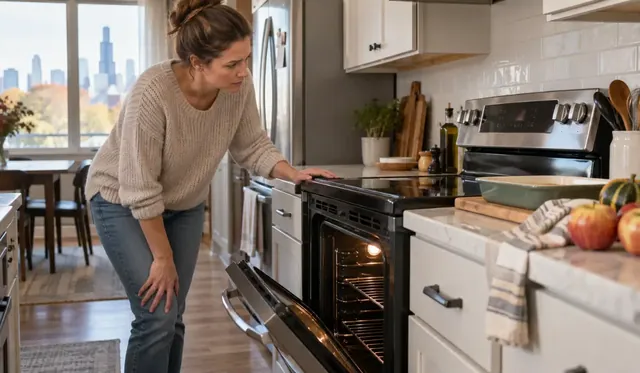
Many homeowners notice appliances start acting up in early fall, not because September damages appliances, but because months of frequent summer use can make existing wear easier to notice. Longer cycles, unusual noises, inconsistent temperatures, and weaker performance are signs worth monitoring before they become more disruptive later in the year.
Months of repeated operation can gradually wear appliance components. Longer cycles, new noises, inconsistent temperatures, or higher energy use may appear before a complete failure. When the same change keeps returning under similar conditions, professional diagnosis can help determine what is actually causing it.
With more than 20 years of experience providing appliance repair services, Premium Appliance Repair starts with what changed, when it happens, and whether it repeats before determining what needs repair.
Summer Doesn’t Usually Break Appliances Overnight, It Wears Them Down Gradually
A busy summer does not necessarily cause an appliance to fail. Instead, prolonged operation, increased household demand, and repeated cycling can make existing wear easier to notice.
That gradual pattern can show up in several ways:
- More operating time: Refrigerators and freezers operate continuously, while washers, dryers, dishwashers, and garbage disposals may handle more frequent use.
- More component wear: Electric motors, fans, pumps, thermostats, heating elements, seals, and other parts already experience normal wear. Additional operation can make seasonal wear more noticeable.
- Changes in performance: A refrigerator may run longer, a dryer may take more time with a familiar load, or a dishwasher may become less consistent.
Summer heat and heavier appliance use can change operating demands, but symptoms that continue after those conditions change deserve attention. During the Chicago weather transition into early fall, household routines can change too, making September a useful time to compare current performance with what was normal earlier in the year.
Why Several Appliances Start Acting Up at the Same Time
Several appliances behaving differently within a few weeks can look like one household-wide problem. Similar timing does not prove a shared cause. Different systems may simply be showing accumulated wear after months of frequent operation.
Useful appliance troubleshooting starts with three questions: What changed? When does it happen? Does it repeat under similar conditions?
When Cooling Appliances Start Acting Up
Longer cooling cycles, inconsistent temperatures, and excessive running can signal a change in cooling performance. The thermostat helps control temperature, the evaporator fan moves cold air, the compressor supports cooling, and condenser coils release heat.
Because these functions depend on one another and proper airflow, one symptom cannot identify one failed component. A professional appliance inspection considers how the cooling system is operating before narrowing the cause.
If refrigerator repair or freezer repair becomes necessary, an appliance technician has a better starting point when you can describe when the temperature or running pattern changed and whether it keeps happening.
Laundry Appliances (Washer & Dryer)
Slower cycles, new vibration, drainage trouble, or longer drying times can signal a change in normal laundry performance.
Standing water suggests a drainage problem but does not prove the drain pump has failed. Persistent drainage, spinning, or cycle-time problems may call for washer repair. For professional washing machine repair, knowing how normal operation changed can be as useful as describing the symptom itself.
In many electric dryers, the heating element produces heat, but airflow, load size, settings, and vent conditions also affect drying time and appliance efficiency. If similar loads consistently take longer, dryer repair may involve checking both airflow and heating rather than assuming the heating element has failed.
Kitchen Cleanup Appliances (Dishwasher & Garbage Disposal)
Incomplete cleaning, slower drainage, and unusual sounds deserve more attention when they repeat under similar conditions.
One poor dishwasher cycle may result from loading or another temporary condition. When poor cleaning or drainage continues, dishwasher repair may be appropriate.
For a garbage disposal, recurring noise, leaking, slow drainage, or trouble running provides more useful evidence than one unusual sound. Persistent problems may require garbage disposal repair rather than trial-and-error adjustments.
Performance Changes Homeowners Often Mistake as “Normal Aging”
Age affects performance, but a new or worsening symptom should not automatically be dismissed as normal aging. Appliance performance issues become more meaningful when compared with how the same appliance normally operates.
Changes worth watching include:
- Increasing energy bills: A noticeable change can justify looking at appliance operation along with other household energy use.
- Longer operating times: Similar loads or settings consistently take more time.
- Inconsistent performance: Cooling, washing, drying, or heating results change under similar conditions.
- Minor new noises: A new rattle, buzz, grind, or click can provide a useful diagnostic clue.
Energy efficiency means using less energy to perform the same task. A higher energy bill does not diagnose an appliance problem by itself, but longer operation or repeated cycles can add useful context when other symptoms are present. Changing household schedules can also make appliance problems during the back-to-school transition easier to notice.
Appliance lifespan varies with design, age, use, care, and component condition. Research into household appliance use and performance provides broader context, but it cannot diagnose an individual appliance. When a symptom continues, an appliance diagnostic service should identify the cause rather than treating a noise, longer cycle, or temperature change as proof that one particular part has failed.
Why September Is the Best Time to Schedule Appliance Repairs
September creates a useful window between heavy summer use and busier fall and holiday routines. An appliance may still be doing its job while showing recurring changes, giving homeowners time to monitor the pattern and decide whether professional service makes sense.
Three factors can help you decide whether to schedule service now:
- Upcoming appliance use: Refrigerator, dishwasher, oven, and other appliance problems during parties and gatherings can be more disruptive when those appliances are needed for guests or holiday meals.
- Recurring symptoms: An oven that repeatedly heats unevenly or struggles to reach the expected temperature may need oven repair. Oven and range repair begins with identifying what is interfering with normal heating rather than assuming one component is responsible.
- Scheduling flexibility: Technician availability varies, so September does not guarantee a particular appointment time. Scheduling while an appliance still works can give you more flexibility to consider available appointments instead of having a complete failure dictate the timing.
If a recurring problem leads you to search for appliance repair near me or appliance repair company near me, consider more than distance. A dependable appliance repair company should explain what was checked, what the findings suggest, and why the recommended repair fits those findings. That is a useful standard when comparing any appliance service company.
Premium Appliance Repair provides local appliance repair in Naperville and throughout the Chicagoland area. Same day appliance repair may be available in Naperville depending on the schedule, but availability varies.
For appliance repair in the Chicago suburbs, our technicians use the same cause-first approach. Addressing a recurring problem while the appliance still works can reduce the chance that a complete failure forces a rushed search for emergency appliance repair at an inconvenient time.
A Simple Fall Appliance Checkup Every Homeowner Can Do
A useful fall checkup does not require taking an appliance apart. Keep appliance maintenance and routine inspections limited to safe, homeowner-accessible areas.
- Listen: Note when new rattling, grinding, buzzing, or clicking occurs.
- Look: Check accessible surfaces and surrounding areas for visible changes.
- Monitor temperatures: Use a thermometer rather than touch. The FDA’s refrigerator and freezer tqemperature guidance provides a food-safety reference.
- Inspect accessible vents: Look for obvious airflow blockage without removing panels or components.
- Check visible leaks: Note where water appears and what the appliance was doing at the time. Recurring leaks around a disposal may require garbage disposal repair rather than a homeowner fix.
These observations support preventive maintenance, give an appliance technician useful information before service, and help distinguish a repeated symptom from a one-time event. An appliance maintenance service focuses on routine care, while repair addresses a symptom or failure that needs diagnosis and correction. Follow manufacturer recommendations for safe homeowner maintenance on the specific model.
Do not dismantle an appliance or attempt electrical diagnosis as part of a fall check. Possible electrical problems, overheating, leaks near electrical components, or concerns involving electrical load need professional attention rather than trial-and-error home appliance repair.
Address Post-Summer Appliance Problems Before They Get Worse
If several appliances have become noisier, slower, or less consistent after summer, note which changes repeat during normal use. A symptom tells us where to start, but it does not tell us which part to replace. Repeated changes are a reasonable reason to move from monitoring to professional diagnosis.
Premium Appliance Repair has more than 20 years of home appliance repair experience serving homeowners throughout the Chicagoland area. Our licensed, factory-trained appliance service and repair technicians work on major appliance types and brands and come prepared with many major appliance repair parts.
If your appliances start acting up after a busy summer, an inspection can help determine what needs attention before the problem becomes more disruptive during busy fall or holiday weeks. You can request appliance repair service or call (630) 657-0334 to discuss the symptoms with us.

Written by the Premium Appliance Repair team. Licensed, factory-trained technicians with 20+ years of experience repairing appliances across the Chicago suburbs. Questions about this article? Call (630) 657-0334. Read our editorial policy.